
It often starts small: selling a few handmade crafts, flipping some vintage clothes, or turning a weekend hobby into a little extra cash. For millions of people across the UK, this is the exciting first step into the world of entrepreneurship. But as that trickle of income grows, a single number looms large: £1,000. This is the UK trading allowance, the official line where a passion project starts looking like a business to the taxman.
Suddenly, you’re faced with regulations and paperwork that can feel like a roadblock just as your ambition is taking off. But what if that roadblock was moved further down the road? A major new proposal is on the table, aiming to give small businesses the breathing room they desperately need to grow.
Insights from the Westminster Event “From Side Hustle to Main Hustle”
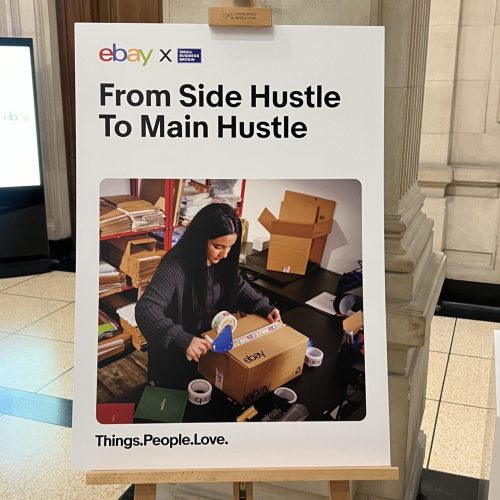
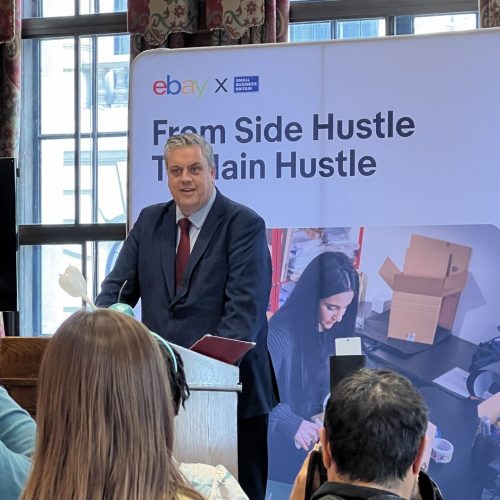
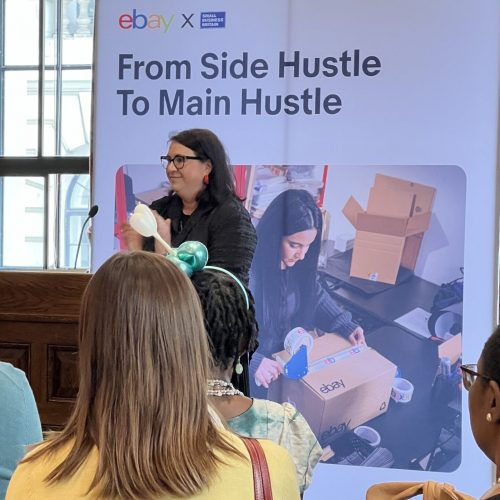
On 10th September, I had the privilege of attending “From Side Hustle to Main Hustle”, an inspiring event in Westminster organized by Small Business Britain and eBay UK .
At the event, eBay and Small Business Britain proposed raising the small business trading allowance from £1,000 to £3,000, a change that could save small business owners around £400 a year. For sellers, this isn’t just a number: it’s money that can be reinvested into stock, shipping, or marketing during those crucial early stages.
It was a privilege to hear directly from Blair McDougall MP, the newly appointed Small Business Minister, who spoke not only as a policymaker but also as someone who has walked the path with lived experience. Having been a side hustler himself before becoming a business owner and later a politician, his perspective carried real weight.
What struck me most was the atmosphere in the room. Conversations with eBay executives and fellow sellers highlighted just how resilient, motivated, and creative the UK side hustle community is. This energy underlined why small businesses matter: they’re not just economic contributors, but stories of innovation and perseverance.
From Side Hustle Boom to Parliament: The Campaign for a Fairer UK Trading Allowance
The UK’s side hustle boom has transformed how people earn and build businesses. From part-time freelancers to eBay resellers, millions are taking control of their financial futures. According to the Office for National Statistics on self-employment, there are more than 4.1 million self-employed people in the UK, with many running side hustles alongside traditional jobs. At the heart of this lies the UK trading allowance. Currently, individuals can earn up to £1,000 tax-free from trading income before needing to declare it to HMRC. But as costs rise, many believe this threshold no longer reflects today’s economy.
With 500,000 fewer private businesses in the UK since 2020, the need to support grassroots entrepreneurs has never been more critical. That’s why the campaign to raise the UK trading allowance recently moved from online forums to the halls of Parliament. In a pivotal event, eBay and Small Business Britain brought the voice of the side hustle UK community directly to policymakers. Backed by a powerful coalition including Vinted, Etsy, and the FSB, the message was clear: tripling the allowance to £3,000 is essential to simplify tax rules and empower a new generation of entrepreneurs.
What the Proposed Increase Means for eBay Tax Rules and Side Hustlers
If the allowance rises to £3,000, the impact could be game-changing for UK sellers. Many who currently get caught by eBay tax rules at low-income levels would have more space to grow before reporting obligations kick in.
The proposal, as presented in Westminster, has two clear benefits:
- It would save small business owners about £400 per year.
- It would encourage reinvestment into growing businesses rather than diverting funds into early compliance.
For sellers balancing jobs, family, and entrepreneurship, this reform could ease the transition from side hustle UK income to full-time self-employment.
Mastering Your HMRC Side Hustle Tax: A Practical Checklist
Mastering your side hustle tax UK obligations is crucial for the success of every side hustle UK. Here is a practical checklist to stay compliant and prepared:
- Know When to Register: Once your gross income surpasses the £1,000 UK trading allowance, you must register for Self-Assessment with HMRC. Be sure to do this by the 5th October deadline following the end of that tax year.
- Track Everything Meticulously: Keep detailed records of all your sales and expenses from day one. This habit is essential, especially as new eBay tax rules now require platforms to share seller data directly with the tax authorities.
- Simplify Your Finances: Open a separate bank account for your business. This is the simplest and most effective way to keep your records clean, making it significantly easier to manage your HMRC side hustle tax obligations without mixing personal and business funds.
How the Change Could Help UK eBay Sellers
The impact of raising the UK trading allowance isn’t abstract — it directly affects the day-to-day decisions sellers make. Here are three relatable scenarios that show the difference between today’s rules and the proposed change:
- A UK university student reselling vintage clothing:
- Current rule (at £1,000): They exceed the limit quickly and must register with HMRC before their side hustle even becomes profitable.
- With £3,000 allowance: They could sell more items and reinvest profits into expanding their inventory without immediate tax concerns.
- A part-time worker selling refurbished electronics:
- Current rule (at £1,000): Modest profits above the threshold push them into self-assessment early, meaning paperwork and potential tax payments before the side hustle is stable.
- With £3,000 allowance: They could save around £400 annually, freeing up money for better tools, improved logistics, or stock growth.
- A stay-at-home parent running a home décor shop on eBay:
- Current rule (at £1,000): HMRC paperwork kicks in too early, adding stress on top of balancing childcare and running a small shop.
- With £3,000 allowance: They’d have breathing space to focus on building customer loyalty and steady sales.
These real-world examples make clear how a higher allowance could unlock growth for thousands of UK entrepreneurs. Whether you’re a student, a parent, or a part-time worker, raising the threshold would allow sellers to focus on building sustainable businesses instead of being burdened by early compliance.
Reflections from the Event
The Westminster event wasn’t just about policy; it was about people. Hearing from Eve Williams, CEO of eBay UK, was particularly impactful. Her perspective wasn’t just corporate; it was a relatable call to action to support the grassroots entrepreneurs who power her platform and the entire side hustle UK movement.
This is why the proposal to triple the UK trading allowance from £1,000 to £3,000 is so critical. It’s a direct answer to the challenges posed by current side hustle tax UK regulations. For countless sellers navigating the eBay tax rules while worrying about their HMRC side hustle tax trading allowance isn’t easy, this change would be a lifeline. If adopted as early possible, would mark an essential step toward a fairer, more supportive environment where ambitious sellers can finally get the momentum they need to turn their side hustle into their main success story.
FAQs
What is the current UK trading allowance and how does it apply to side hustlers?
The UK trading allowance lets individuals earn up to £1,000 tax-free from casual sales or side business income. Income above this must be declared under side hustle tax UK rules to HMRC via self-assessment.
When do I need to worry about HMRC side hustle tax?
If your total income from side hustles—including selling on platforms like eBay—exceeds the trading allowance, you must report earnings and pay tax following HMRC side hustle tax guidelines.
How do eBay tax rules affect my side hustle business in the UK?
eBay tax rules require sellers to keep accurate records and report their income if it goes beyond the tax-free threshold. Platforms now routinely share sales data with HMRC to ensure compliance.
Does selling occasional personal items on eBay count as a side hustle UK business?
Selling personal belongings occasionally usually falls outside side hustle UK taxation. If you are selling on eBay UK , they give you a peace of mind that there’s no new ‘side hustle tax , (if they’re below £6,000 and you’re not selling as part of a business).However, business-oriented selling must be reported under side hustle and trading allowance rules.
How will the proposed increase in the UK trading allowance impact side hustlers?
Raising the allowance from £1,000 to £3,000 will give UK side hustlers more room to earn tax-free, easing financial and administrative burdens and encouraging growth for emerging online sellers.